Long before sterile luxury flagships and instant digital checkouts, commissioning a bespoke garment was an intimate, hours-long cultural salon known as the Baithak. A cultural inquiry into how the communal ritual of the tailoring sitting is reviving the lost art of storytelling, generational lineage, and mindful craftsmanship.
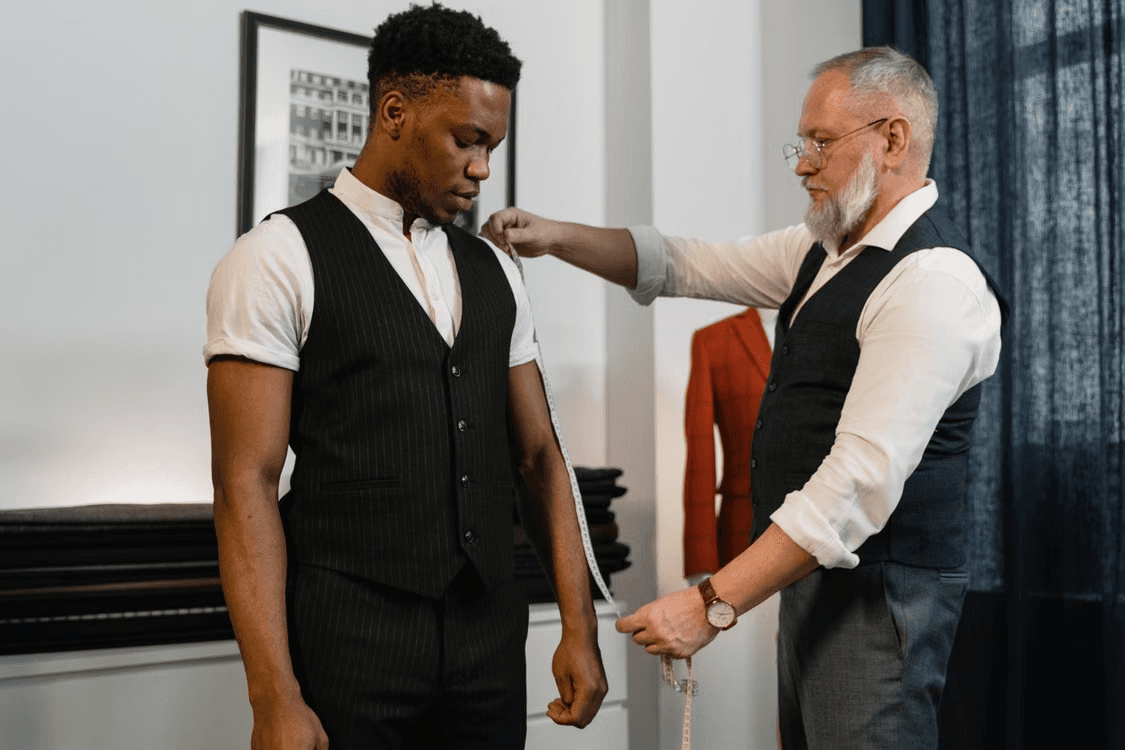
To step inside a conventional luxury flagship today is to submit to an exercise in frictionless speed. The lighting is clinical, the inventory is digitized, and the transaction is designed to conclude before the adrenaline of acquisition can wear off. But in the rarefied world of bespoke tailoring, a quieter, profoundly cultural movement is taking place—one that looks backward to move forward. Connoisseurs are returning to the ancient ritual of the Baithak.
Historically, in the royal courts and cultural salons of Northern and Western India, commissioning attire was never a solitary, rushed errand. The Baithak—literally meaning a seated assembly or gathering—was a slow, multi-sensory ceremony. Patrons, master weavers, embroiderers, and pattern cutters gathered on floor cushions covered in white cotton gaddis, sharing spiced tea and conversation over hours. Fabric swatches were not merely flipped through; their weight, provenance, and thread counts were debated like fine literature.
Today, this storied salon culture is finding a powerful resurgence across global ateliers, from private studios in Delhi and Jaipur to discreet appointments in London and Milan.
The Cultural Geometry of the Sitting
At its heart, the bespoke salon rejects the transactional nature of modern retail by restoring three fundamental cultural pillars:
Oral Lineage and Provenance: In a true bespoke sitting, the client is immersed in the genealogy of the cloth. A conversation about a bespoke jacket or achkan begins with the region the sheep grazed, the monsoon cycle that affected the silk harvest, or the family history of the weaver operating the pit loom.
The Sabbatical from Speed: The ritual forces both patron and artisan into a meditative cadence. A client cannot scroll through options; they must touch the raw selvedge, observe how the unpressed wool reacts to ambient moisture, and listen to the master cutter’s assessment of their posture.
Garment as Autobiography: Off-the-rack fashion imposes an external identity onto the wearer. The bespoke Baithak, by contrast, acts as a psychological portrait session. The master cutter studies not just shoulder slopes and chest arches, but how the wearer gestures, breathes, and carries their history.
The Resistance Against the Ephemeral
What makes this cultural revival so urgent in our contemporary landscape is the emotional vacuum left by disposable consumption. Fast fashion and even mass-produced ready-to-wear luxury have severed the human bond between the maker and the wearer. When a garment can be ordered in ten seconds and discarded in ten weeks, clothing loses its soul.
The modern bespoke salon transforms clothing back into an heirloom. When a patron spends months discussing the tension of a hand-padded lapel or watching an artisan adjust a canvas lining over multiple fittings, the garment ceases to be a consumable product. It becomes an archive of shared time, technical mastery, and mutual respect.
In an era governed by algorithmic taste and instant delivery, the deliberate slowness of the bespoke sitting is the ultimate cultural rebellion. It reminds us that true luxury has never been about possessing more—it has always been about understanding deeply.